Lonsdale Road residents rug and upholstery cleaning tips
Posted on 10/08/2026
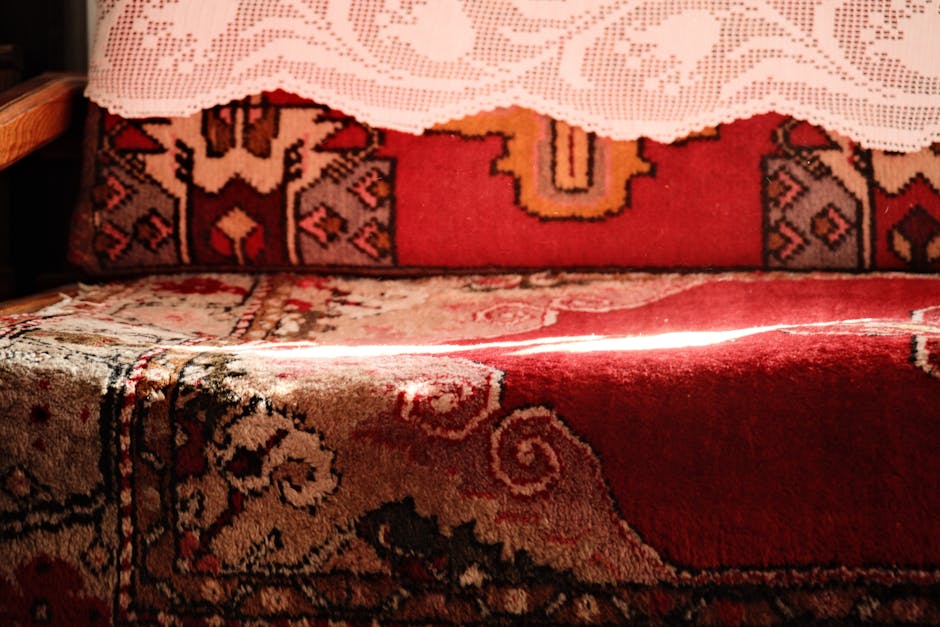
If you live on Lonsdale Road, you already know the rhythm of home life can be busy in a very ordinary, very London way: muddy shoes after a damp walk, a coffee cup knocked by the sofa, a rug that somehow collects everything from crumbs to pet hair. That is exactly why Lonsdale Road residents rug and upholstery cleaning tips matter. The right routine keeps fabrics looking calmer, smelling fresher, and lasting longer, without turning your Saturday into a never-ending chore. In this guide, you will get practical advice for everyday care, stain handling, safe cleaning methods, and the point at which it is smarter to stop fiddling and call in help.
Truth be told, rugs and upholstery are often the most lived-in surfaces in a home. They absorb dust, oils, pollen, spills, and that faint "lived here a while" smell no candle can quite fix. The good news? With a few sensible habits, you can protect delicate fibres and avoid the kind of cleaning mistakes that make a problem worse.
Why Lonsdale Road residents rug and upholstery cleaning tips Matters
Rugs and upholstered furniture do more than fill a room. They shape how a room feels. A clean rug can make a hallway look sharper and a sofa can make a sitting room feel properly welcoming. On the other hand, a tired patch of pile or a marked armrest can quietly drag the whole place down. And because these items are soft furnishings, they trap more than the eye can see.
For residents on Lonsdale Road, this matters even more because homes often see a mix of shoes coming in from outdoors, guests at the weekend, family life, and the usual London dust that seems to arrive uninvited. Rugs near entrances and sofas in main living spaces take the strain first. Left alone, small issues build up into flattened fibres, dull colours, and stubborn odours. Nobody wants that.
There is also a practical angle. Regular care can extend the life of a rug or sofa and help you avoid premature replacement, which is rarely cheap. When you look after the fabric properly, you also reduce the chance that a one-off spill becomes a permanent mark. Not glamorous, perhaps, but very useful.
Expert summary: The smartest approach is not aggressive cleaning. It is consistent, gentle maintenance, fast spill response, and knowing the fabric type before you touch anything wet or chemical-heavy.
If you are already thinking about a deeper seasonal refresh, it can also help to look at related local advice like the Barnes neighbourhood resident tips and the broader guidance shared in the Barnes High Street carpet cleaning guide. They are useful context if you want your home care to feel a bit more joined up.
How Lonsdale Road residents rug and upholstery cleaning tips Works
The basic idea is simple: remove dry soil first, treat stains carefully, clean according to the material, and dry everything thoroughly. What trips people up is the order. A rug or sofa that looks "just dusty" can actually hold fine grit deep in the fibres. If you add water too soon, you can turn that grit into a muddy mess. Bit annoying, really.
Think of the process in three layers. First is routine maintenance: vacuuming, turning rugs, and brushing crumbs away before they settle. Second is spot care: immediate action on spills using the least risky method. Third is deeper cleaning, which depends on the fabric, dye stability, construction, and how much use the item gets. That final layer is where a lot of damage happens if people guess their way through it.
Upholstery cleaning works on the same principle, but you need to be even more cautious because sofas, armchairs, and headboards may include mixed materials, foam padding, glue, piping, and decorative trims. A visible fabric may be the easy part. What matters is what sits beneath it. If moisture reaches the wrong layer, drying takes longer and odours can linger.
In practical terms, a good clean is usually a balance between four things:
- the fibre type, such as wool, cotton, synthetic blends, velvet, or linen
- the level of soil, including dust, oils, food residue, and pet contamination
- the cleaning method, whether dry, low-moisture, foam, or hot water extraction
- the drying conditions in the room
That is why blanket advice only goes so far. A rug in a front room with low traffic is not the same as a family sofa or a hallway runner that sees wet coats and shoes every day.
Key Benefits and Practical Advantages
Good cleaning habits bring more than a fresher look. They also change how the room feels to use. You can tell when fabrics have been neglected; they smell a little stale, and the colours lose their lift. Once cleaned properly, the room often feels brighter without you having to redecorate anything.
Here are the main benefits local homeowners usually notice:
- Better appearance: colours look clearer, patterns show properly, and pile stands up more evenly.
- Improved hygiene: regular vacuuming and deep cleaning reduce the build-up of dust and everyday contaminants.
- Longer fabric life: less embedded grit means less wear from friction.
- Odour control: food smells, pet odours, and general stale air are easier to manage.
- Better comfort: clean upholstery feels more pleasant to use, which sounds obvious, but it really is noticeable.
- Lower replacement pressure: maintaining items well can delay the need for new purchases.
A less obvious benefit is confidence. When you know how to respond to a spill or mark, you stop panicking. That matters, because the worst damage often comes from rushed decisions. A blot with a clean cloth is usually better than a frantic scrub with the nearest spray bottle. Every time.
For homes that host guests often, or for families with children and pets, a sensible routine can also make the space feel more relaxed. You are not constantly seeing reminders of every accident. That makes day-to-day living a bit easier, which is no small thing.
Who This Is For and When It Makes Sense
This guidance is useful for almost anyone living locally, but it is especially relevant if your home includes:
- natural fibre rugs such as wool or wool blends
- upholstered sofas or chairs in busy living rooms
- light-coloured fabrics that show marks quickly
- pet-friendly homes where hair and odours are a constant battle
- family homes with frequent spills and food crumbs
- older or more delicate pieces that need gentle handling
It also makes sense if you are preparing for visitors, thinking about a seasonal reset, or just tired of that one patch on the sofa that always catches the light. Let's face it, most people live with one small mark for far too long.
If you are in the middle of a home refresh, a broader service can sometimes be the right next step. Some households pair soft furnishing care with a services overview review so they can decide whether they need spot cleaning, a one-off clean, or a fuller deep clean. And if you are weighing up the cost side, the pricing and quotes page is a sensible place to understand how work is usually approached.
Sometimes the decision is more emotional than technical. You know the sofa is fine, technically, but it no longer feels fresh. That is often the point where a deep clean becomes worthwhile.
Step-by-Step Guidance
Here is a practical process you can follow at home without making things worse.
- Identify the material first. Check labels, care tags, or manufacturer notes if you still have them. Wool, velvet, linen, cotton, synthetic blends, and leather all behave differently.
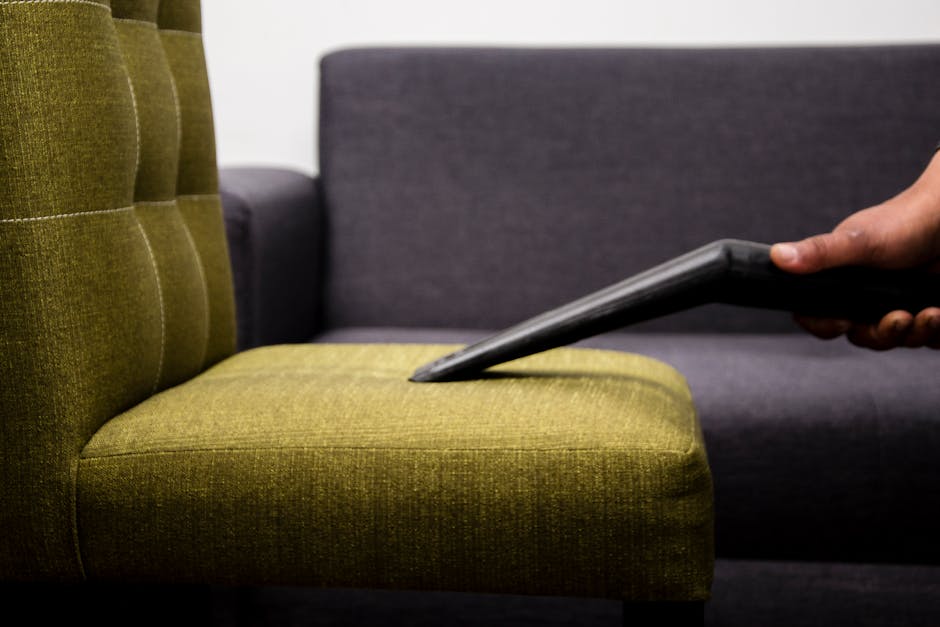
- Vacuum thoroughly. Use a clean upholstery attachment and work slowly. For rugs, vacuum both sides if the construction allows it. This removes grit before any wet cleaning.
- Test in a hidden spot. Dab a small amount of your chosen cleaning solution in an out-of-sight area. Wait for colour transfer, texture changes, or water marks.
- Deal with spills immediately. Blot gently with a white cloth or kitchen towel. Do not rub. Rubbing spreads the stain and can roughen fibres.
- Use the mildest suitable method. For many everyday marks, a tiny amount of diluted fabric-safe cleaner is enough. For delicate pieces, dry or low-moisture methods are usually safer.
- Work from the outside in. On a stain, clean from the edge towards the centre so you do not enlarge it.
- Rinse carefully if needed. Too much detergent residue attracts dirt later, which defeats the point.
- Dry fast and evenly. Open windows if weather allows, use air flow, and keep cushions separated while drying.
- Brush or reset the pile. Once dry, gently lift flattened fibres with a soft brush where appropriate.
For sofas with removable cushion covers, work one section at a time so you do not lose track. It sounds simple. It is simple. Still, it is easy to become overconfident halfway through and then accidentally soak a seat cushion. We have all seen it happen.
A small seasonal reminder helps too. In damp months, drying can take much longer, so a late-evening clean may still be slightly damp the next morning. If that happens, keep the room ventilated and do not rush the item back into heavy use.
Expert Tips for Better Results
These are the little habits that tend to separate "good enough" from genuinely good care.
1. Rotate rugs regularly
Sunlight, foot traffic, and furniture weight all affect rugs unevenly. Turning a rug every few months helps prevent one side from fading or wearing faster than the other. If one corner is under a table leg, move it slightly now and then if the layout allows.
2. Use the right vacuum setting
Too much suction can be unhelpful on delicate pile. On the other hand, a weak setting will not pull out enough grit. If the machine has adjustable height, use it. On loop-pile or shag-style rugs, be cautious and move slowly.
3. Treat wool with respect
Wool is durable, but not invincible. It can shrink or distort if over-wet or over-agitated. Keep water use moderate and avoid harsh alkaline products. If you are unsure, keep it gentle. That is usually the safer move.
4. Mind the backing and seams
Some rugs and upholstered items have backings that are more sensitive than the visible surface. Cleaning the top without considering the underside can lead to curling, buckling, or lingering damp patches. A rug may look dry but still feel cold underneath. That is your warning sign.
5. Choose the right cloth
White microfibre or plain cotton cloths are best for blotting because they do not transfer dye. Colourful towels are not ideal for testing, and fluffy towels can leave lint behind. A tiny detail, yes, but useful.
6. Be realistic about odours
Freshening sprays can mask smells for a few hours. They do not remove what is trapped in the fibres. If a sofa or rug smells persistently musty, the source may be deeper than the surface. At that point, a more thorough clean is usually needed.
One helpful local habit is to make fabric care part of a larger home routine. If you are already doing a seasonal refresh, you may also find value in the velvet care advice, especially if your home includes velvet cushions or an accent chair that needs a gentle touch.
Common Mistakes to Avoid
Most cleaning damage comes from well-meant mistakes. The frustrating part? People often only realise after the stain has spread or the fabric has gone patchy.
- Scrubbing a stain hard: this pushes soil deeper and can distort the pile.
- Using too much water: excess moisture can cause browning, stretching, or long drying times.
- Skipping a spot test: even a mild product can affect dye or texture.
- Ignoring fabric labels: a sofa cover is not the same as a washable cushion slip.
- Mixing cleaning products: that is not clever; it can create residue or damage fibres.
- Leaving damp cushions stacked together: trapped moisture encourages odour and, in some cases, mildew.
- Expecting one pass to solve everything: some marks need patience, not force.
A common one, and a bit of a classic, is using an everyday household spray because it smells clean. The room may smell like lemons for an hour, but the fabric underneath can still be holding on to dirt. Cleaning is not perfume, basically.
If you have a delicate or older piece, the safest mistake is to do less, not more. A cautious approach is rarely glamorous, but it saves headaches.
Tools, Resources and Recommendations
You do not need a huge kit to keep rugs and upholstery in good shape. A few reliable tools are enough for most homes.
- Vacuum cleaner with upholstery attachment: useful for regular maintenance and reaching edges.
- Soft brush: helps lift pile gently once items are dry.
- White absorbent cloths: ideal for blotting spills without dye transfer.
- Clean spray bottle: useful for applying diluted solutions sparingly.
- Fans or good airflow: speeds up drying and helps prevent damp smells.
- Fabric-safe cleaner: choose carefully and always follow the label.
If you are not sure what kind of professional help you need, it is worth looking at the wider cleaning options available through upholstery cleaning and, where appropriate, a deep cleaning service. Even if you do not book right away, these pages can help you understand the scope of the work.
For one-off situations - a party spill, a pet accident, a rental handover, or a full home reset - the one-off cleaning option is often the most relevant. And if you prefer to speak with someone directly, the about us page is useful background before making any decision.
There is also a straightforward practical benefit in checking insurance and safety information before any work is carried out in your home. It is the kind of thing you hope never matters, until it suddenly does.
Law, Compliance, Standards, or Best Practice
For home rug and upholstery care, the main "compliance" concern is less about legal complexity and more about sensible best practice. In the UK, cleaning products should be used according to their instructions, and anything involving electrical equipment, wet floors, or trip hazards should be handled with care. That is just common sense, but common sense is worth stating clearly.
If you invite a cleaning service into your home, you should expect basic professional standards: clear communication, appropriate care for your furniture, reasonable caution with moisture, and respect for your property. A good provider should also be transparent about what they can and cannot do safely on delicate materials. If they are vague, that is not reassuring.
For sensitive fabrics, especially antique, handwoven, or velvet pieces, best practice is usually to avoid aggressive DIY methods. Some materials are prone to shrinkage, dye bleed, crushing, or water marking. The cautious route is not about being fussy; it is about protecting the thing you actually want to keep.
It is also sensible to ask about payment handling, terms, and what happens if a fabric is unsuitable for the planned treatment. Pages like payment and security, terms and conditions, and complaints procedure help set expectations before anyone starts. No one loves the fine print, but it is better than a surprise later.
If you value responsible business practice more broadly, you may also want to review the company's privacy policy, accessibility statement, and modern slavery statement. Those pages are not about cleaning technique, obviously, but they do say something about the standards a business is willing to put in writing.
Options, Methods, or Comparison Table
Different materials need different approaches. This table gives a simple, practical comparison. It is not a universal rulebook, but it helps you narrow down the safest direction.
| Method | Best for | Pros | Watch-outs |
|---|---|---|---|
| Dry vacuuming and brushing | Routine upkeep, most rugs and sofas | Low risk, quick, removes surface dust and grit | Won't remove deep stains or odours |
| Spot cleaning with diluted solution | Fresh spills and isolated marks | Targeted, cost-effective, easy to control | Needs testing; over-wetting can spread stains |
| Low-moisture cleaning | Delicate fabrics, quicker drying needs | Less water, often safer for sensitive items | May not suit heavy soiling |
| Hot water extraction | Robust synthetics and some durable upholstery | Deep soil removal, good refresh for suitable fabrics | Too much water for delicate, natural, or unstable materials |
| Professional specialist cleaning | Velvet, antique rugs, mixed fabrics, valuable items | Better assessment, safer handling, tailored methods | Costs more than DIY, but often worth it |
If you are unsure, ask yourself one question: do I know exactly what this fabric can tolerate? If the honest answer is no, then a cautious, specialist-led approach usually makes more sense.
Case Study or Real-World Example
Here is a very typical situation. A Lonsdale Road household has a pale wool rug in the sitting room and a fabric sofa that gets used every evening. Nothing dramatic, just normal family life. Over time, the rug begins to look flatter near the centre and the sofa arms show darker patches where hands rest. There is also a faint smell after wet weather, not strong, just enough to notice when you walk in from outside.
The first step was to vacuum more carefully, including under cushions and along skirting edges where dust had built up. That alone made the room look cleaner, which is often underestimated. Then a small spill on the rug was treated with blotting rather than scrubbing. No heroics, no panic. The household also stopped using a heavy perfume spray and instead focused on airflow and sensible cleaning.
The more important change was choosing the right treatment for the sofa fabric. Because the upholstery had some delicate areas and a few decorative details, the family avoided an all-purpose wet approach. That decision prevented streaking and meant the drying time stayed manageable. A few hours later the room felt fresher and looked more balanced. Not like a showroom, just properly cared for.
What this example shows is simple: the best results usually come from restraint, not force. And from paying attention before the problem becomes obvious.
If you are deciding how to handle a similar job and want to keep your options open, browsing the blog archive can also help you compare related cleaning advice and local home-care topics in one place.
Practical Checklist
Use this checklist before you clean any rug or upholstered item.
- Identify the fabric and check care instructions.
- Vacuum thoroughly, including edges and under loose cushions.
- Test any product in a hidden area first.
- Blot spills immediately; do not rub.
- Use the smallest amount of moisture needed.
- Avoid mixing products.
- Keep children and pets away while the item dries.
- Ventilate the room well after cleaning.
- Check for colour change, distortion, or residue once dry.
- Stop and reassess if the stain is spreading or the fabric feels fragile.
Quick takeaway: if a rug or sofa looks delicate, behaves oddly when damp, or has sentimental value, treat it like something worth protecting. Because it is.
Get a free quote today and see how much you can save.
Conclusion
The best Lonsdale Road residents rug and upholstery cleaning tips are the steady, careful ones: vacuum often, act fast on spills, test before using any cleaner, and respect the fabric you are working with. That combination protects appearance, reduces odours, and helps your furnishings last longer. Simple, but not simplistic.
Most homes do not need dramatic treatment every week. They need consistency, a bit of judgement, and the confidence to stop before over-cleaning causes a problem. If you keep that in mind, your rugs and upholstery will usually reward you with a fresher, calmer room. And honestly, that is a lovely feeling when you walk in at the end of a long day.
Small habits, done well, make a home feel cared for. That never really goes out of style.


